Call us 800-410-6580
Trailer fishtailing (also called tail wag) is the side-to-side pivoting that can happen when a trailer becomes unstable. In that moment, the trailer starts trying to steer your tow vehicle—not the other way around. You might feel it as a “push-pull” sensation or see the trailer moving behind you before it becomes severe. But once fishtailing starts, it’s dangerous.
In towing terms, fishtailing is usually the beginning (or a form) of trailer sway—a side-to-side oscillation that can grow quickly, especially at highway speeds.
A travel trailer pivots at its ball mount. That type of connection allows the trailer to pivot and “steer” far more freely than most drivers realize—especially when conditions and setup aren’t stable.
If you want a quick explanation of why some hitches only “control” sway while others are designed to prevent it, read: Sway Control vs. Sway Elimination.
New to how our design works? Start here: How the Hensley Hitch Works.
Too little tongue weight makes the trailer much easier to “wag.” Many sway events trace back to a trailer that’s light on the tongue.
Weight behind the axles acts like a pendulum. It only takes one gust or bump to get fishtailing started.
If weight distribution isn’t dialed in, steering can feel lighter and corrections can come late—making sway harder to arrest.
Many systems are reactionary—you can still feel sway, and if it builds quickly it can get out of control fast.
Friction-based sway control can change behavior when conditions change. Wet roads and rain can affect performance and may create inconsistent results.
If your tow vehicle squats in the rear, it becomes easier for the trailer to influence the vehicle.
Low pressure, weak sidewalls, mismatched load ratings, or worn tires reduce stability.
When fishtailing starts, rapid steering corrections can accidentally “sync up” with the trailer and amplify the oscillation—sometimes escalating into an uncontrollable situation before you have time to react.
If fishtailing begins:
Hold the wheel steady (avoid sharp steering inputs).
Do not accelerate.
Ease off the throttle to reduce speed gradually.
If you have a manual trailer brake control, apply the trailer brakes smoothly to pull the trailer straight (avoid hard tow-vehicle braking while the trailer is swinging).
Once stable, pull over and fix the root cause (loading, tongue weight, tire pressures, hitch setup).
Heavy items: low + forward, near or slightly ahead of the trailer axles
Avoid heavy gear in rear storage / bumper areas
Don’t guess—verify tongue weight
Weight distribution helps stability and steering feel. Setup matters—here’s How the Hensley system works and why it behaves differently than conventional hitch connections.
Set pressures for the actual load (door-jamb ratings are often for an unloaded vehicle)
Fix worn shocks and loose suspension/steering components
Re-check after loading changes
Wind, traffic, rain, and uneven roads are classic triggers. Reduce speed to increase your stability margin.
A lot of people search for “anti-sway hitch” and assume they’re all doing the same thing. But there’s a real difference:
Friction-based sway control dampens movement after it starts—and friction can be unpredictable when conditions change (including moisture).
Sway elimination is designed to stop the side-to-side movement that leads to sway, instead of waiting to fight it after it begins.
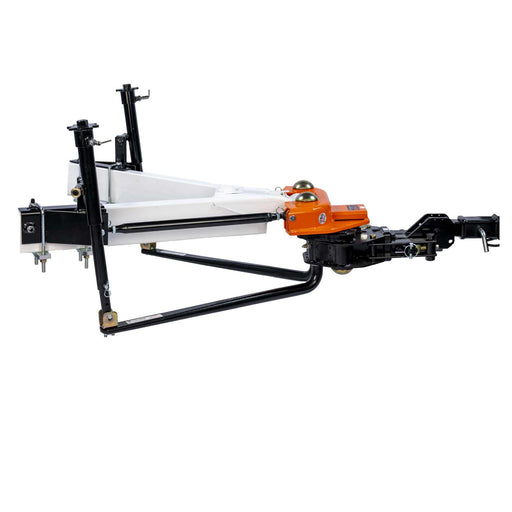
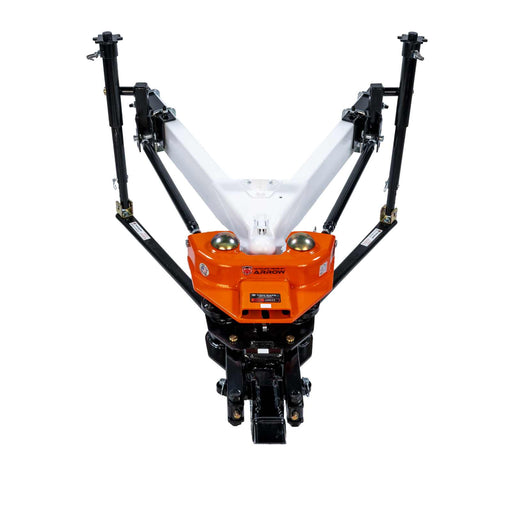
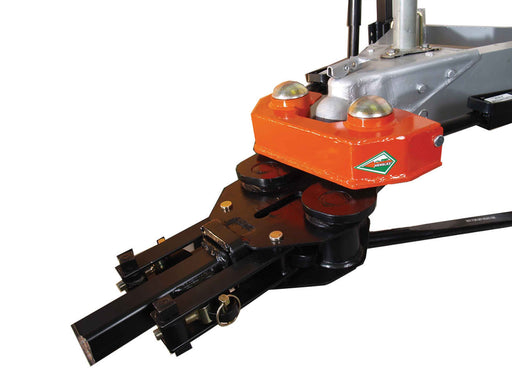
The Ultimate Hensley Arrow® uses a heavy-duty strut design that works mechanically (non-friction). The goal is to “lock sway out” and help drivers handle wind gusts, passing trucks, uneven roads, and steep downhill grades with more confidence.
This design changes how the trailer pivots—often described as moving the effective pivot behavior near the rear axle area (instead of the trailer simply pivoting on the ball like conventional setups).
Learn the design: How the Hensley Hitch Works
Explore options: Anti-Sway Hensley Hitches
Why do trailers fishtail at highway speeds?
Because side forces (wind, passing trucks, bumps, steering inputs) can start an oscillation, and higher speeds reduce the stability margin—making the motion build faster.
Is fishtailing the same as trailer sway?
Fishtailing is the visible side-to-side swing; it’s commonly the start (or a form) of trailer sway, which is a repeating oscillation.
What causes fishtailing the most?
Common causes include crosswinds, uneven roads, steep terrain, insufficient tongue weight, and evasive maneuvers—often combined with speed and loading issues.
Do friction sway control hitches stop fishtailing?
They can reduce movement after it starts, but friction-based systems can change behavior when conditions change (including moisture), and they generally react after sway begins.
How does a sway elimination hitch differ?
Sway elimination is designed to prevent sway from happening at all by stopping the side-to-side movement that leads to sway, rather than damping it after it begins.
Do the Hensley Arrow® and Cub® use weight distribution?
Yes—both are designed to combine weight distribution and sway elimination.
Safety and Confidence when you travelWhen your family, truck, and trailer are on the line, Hensley is a name people have known and trusted for 30 ...
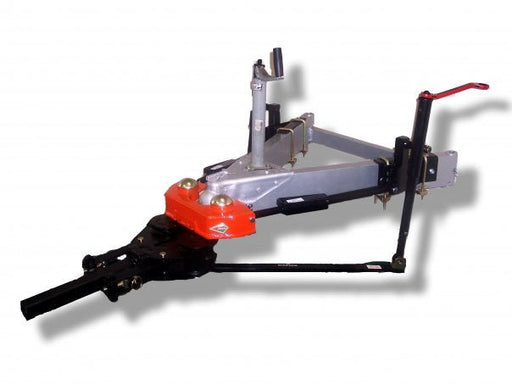
View full detailsThis is the original Hensley Cub®, the only hitch 100% Guaranteed to eliminate trailer sway. Get all the same great features of the Arrow, just in ...
View full details
{"one"=>"Select 2 or 3 items to compare", "other"=>"{{ count }} of 3 items selected"}